
El inicio de un concierto suele seguir un guion milimétrico, pero la música en vivo siempre se guarda espacio para la verdad del momento, especialmente cuando el desgaste físico de la carretera entra en juego. La formación internacional liderada por Jack Moore llegó a Cantabria arrastrando el cansancio acumulado de una intensa gira, un factor humano que, lejos de mermar el show, terminó por definir su honestidad sobre las tablas. La noche comenzó en el Ferial de Sarón con la subida escalonada de los músicos. El primero en tomar posiciones fue el batería mexicano Pancho Campos, marcando el pulso inicial desde los parches, seguido inmediatamente por el bajista Rafal. Con la base rítmica ya en marcha, Quentin Kovalsky se situó tras los teclados y el micrófono para introducir formalmente a Jack Moore.
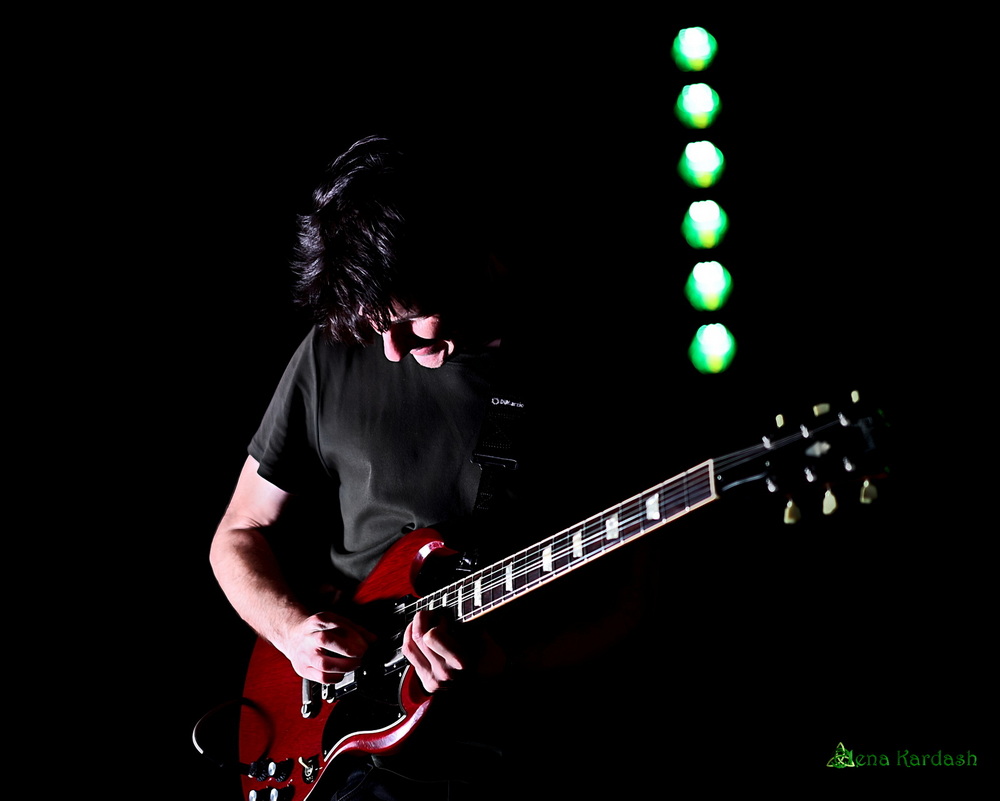
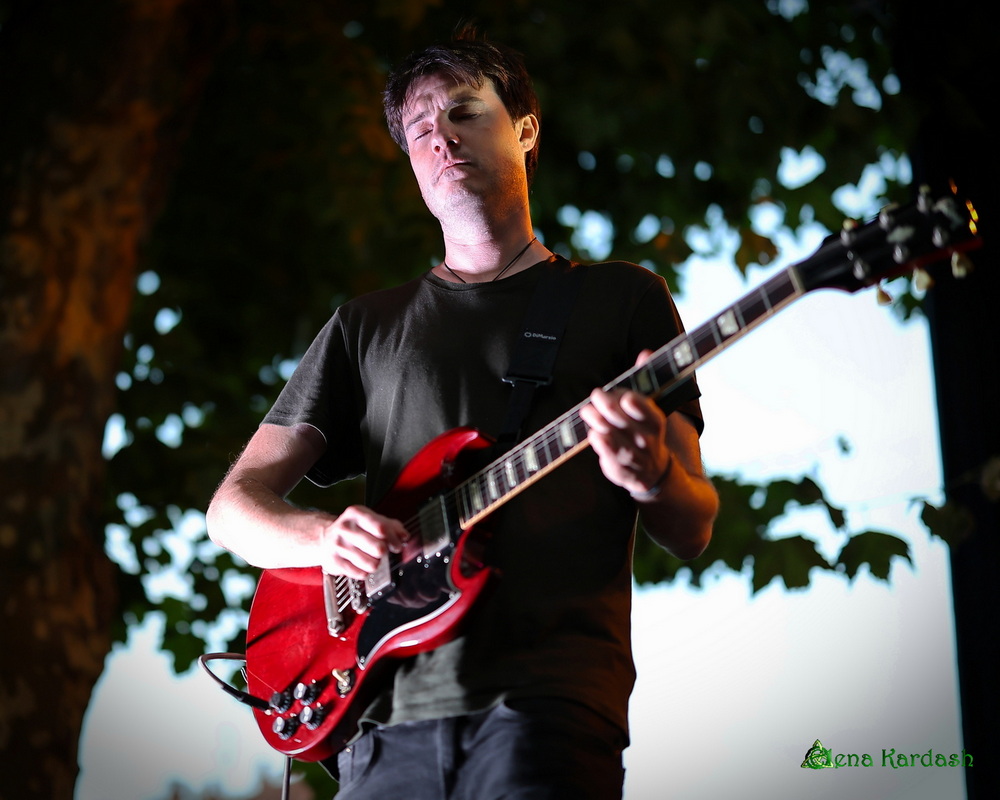
Moore entró al escenario de manera tranquila, saludando al público y situándose en su puesto. Sin embargo, en un reflejo directo de la fatiga acumulada en los viajes, al girarse para comenzar el concierto descubrió el vacío: se había dejado la guitarra guardada detrás, entre bastidores. Sin perder la compostura, el guitarrista regresó un momento a la parte trasera del escenario y volvió a los pocos segundos con su Gibson SG. Lejos de generar frialdad o tensión, la reacción unánime de la banda y de los asistentes fue la carcajada compartida.
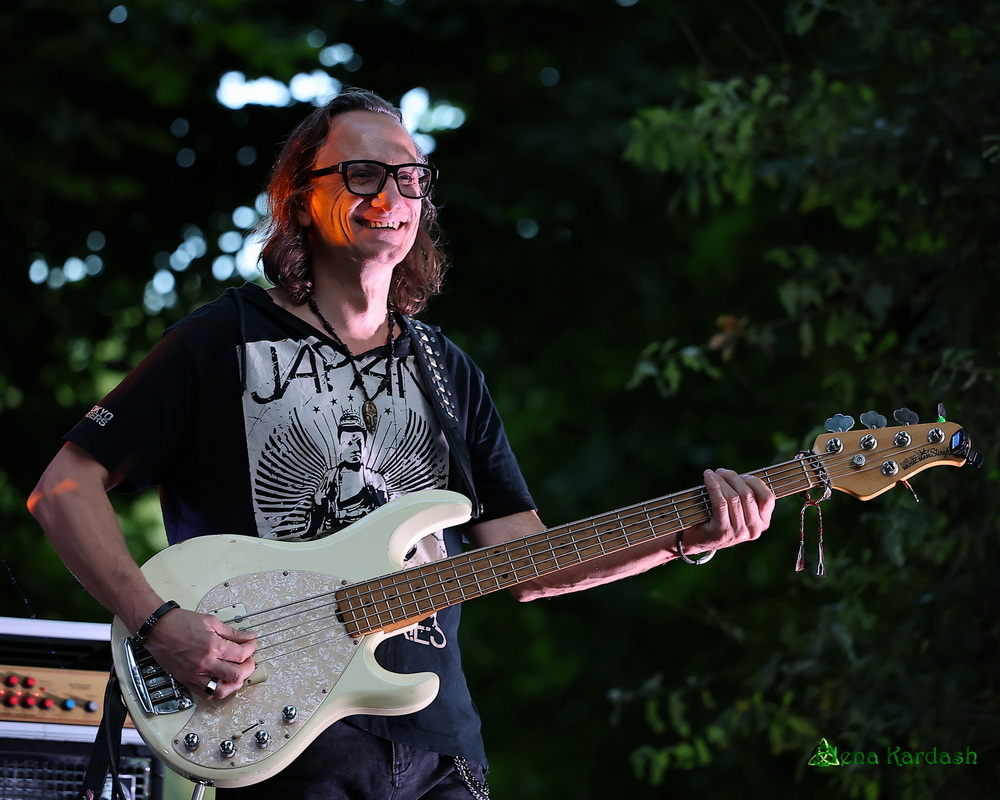
Esta respuesta colectiva y distendida encajó a la perfección con el propio entorno físico del evento. Integrado dentro de la programación cultural del Festival Nueve Valles, el escenario se montó al aire libre, plenamente integrado en un parque arbolado. Esta disposición de la infraestructura, arropada por la vegetación y el entorno verde, alejó el evento de la distancia habitual de los macrofestivales o los grandes recintos cerrados. El espacio recogido confirió a la producción una atmósfera de íntima familiaridad, casi como un encuentro en casa, permitiendo que la proximidad entre los músicos y los asistentes potenciara la conexión emocional y el calado de cada nota. De este modo, el imprevisto se convirtió en el catalizador perfecto para liberar la presión del viaje, humanizar la velada desde el primer segundo y romper el hielo con la audiencia antes de soltar el primer acorde.
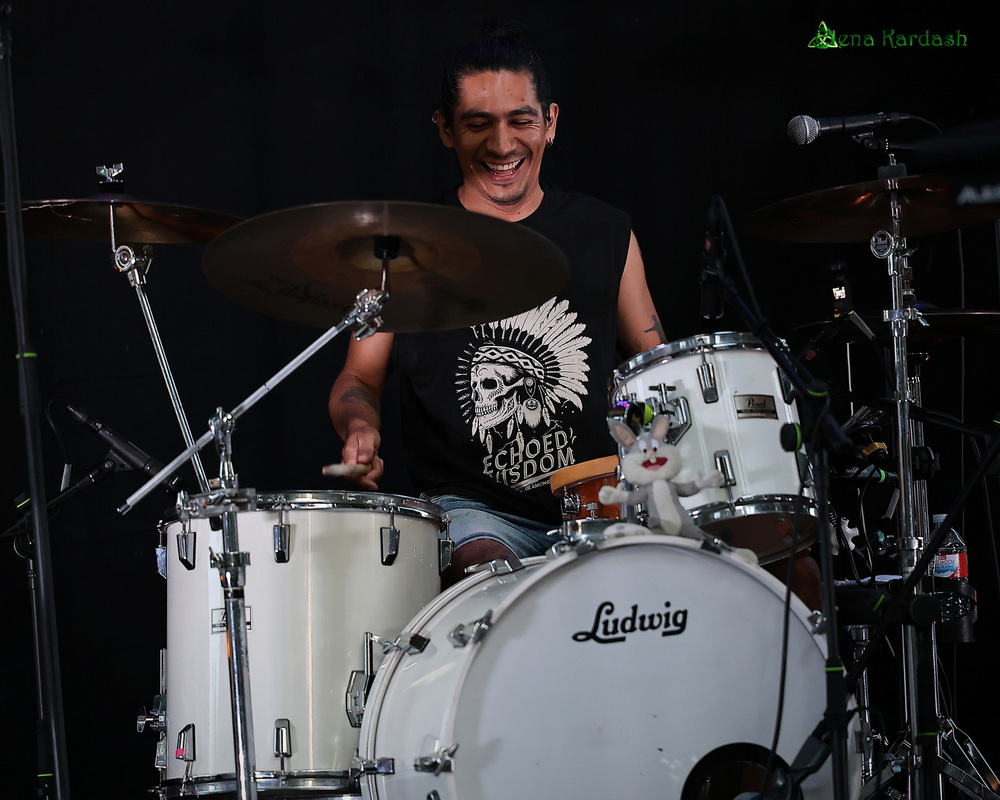
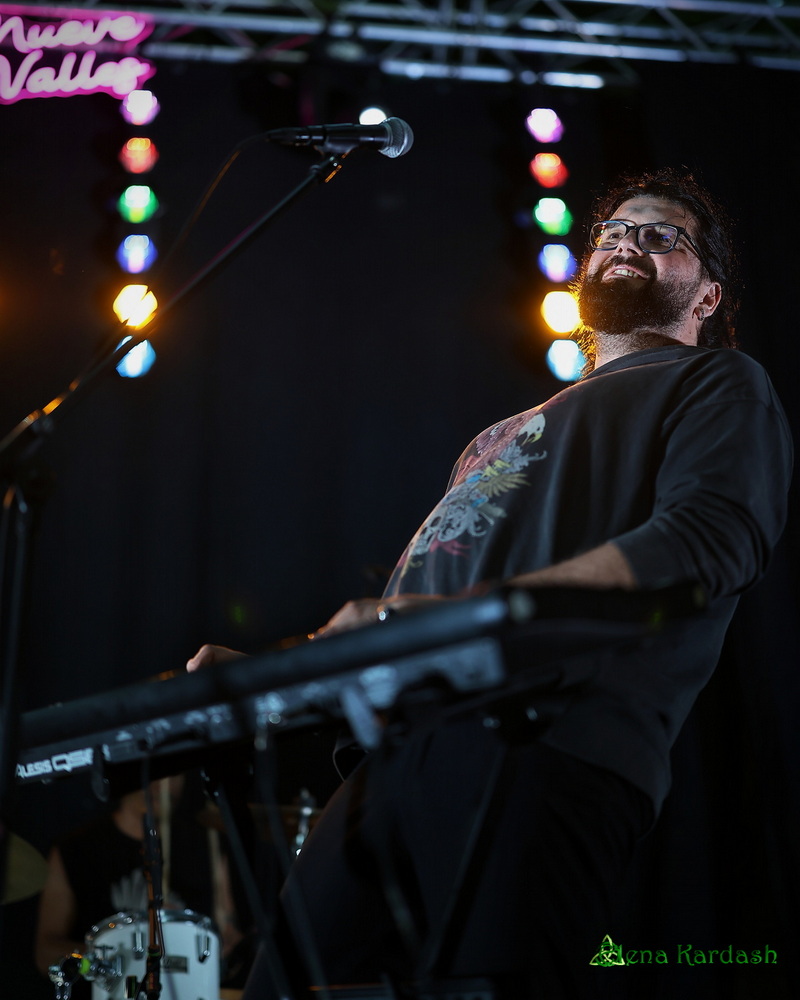
Una vez solventada la anécdota inicial, la banda demostró de inmediato que posee un dilatado callo en los escenarios. La sección rítmica polaco-mexicana funcionó con un aplomo mecánico impecable. Quentin Kovalsky manejó con total solvencia las dinámicas de los teclados, mientras el bajista Rafal blindaba las frecuencias graves con una precisión matemática. En la retaguardia, el batería Pancho Campos desplegó una pegada contundente y un dinamismo técnico soberbio, evidenciando la sólida experiencia que acumulan los miembros de este grupo internacional.
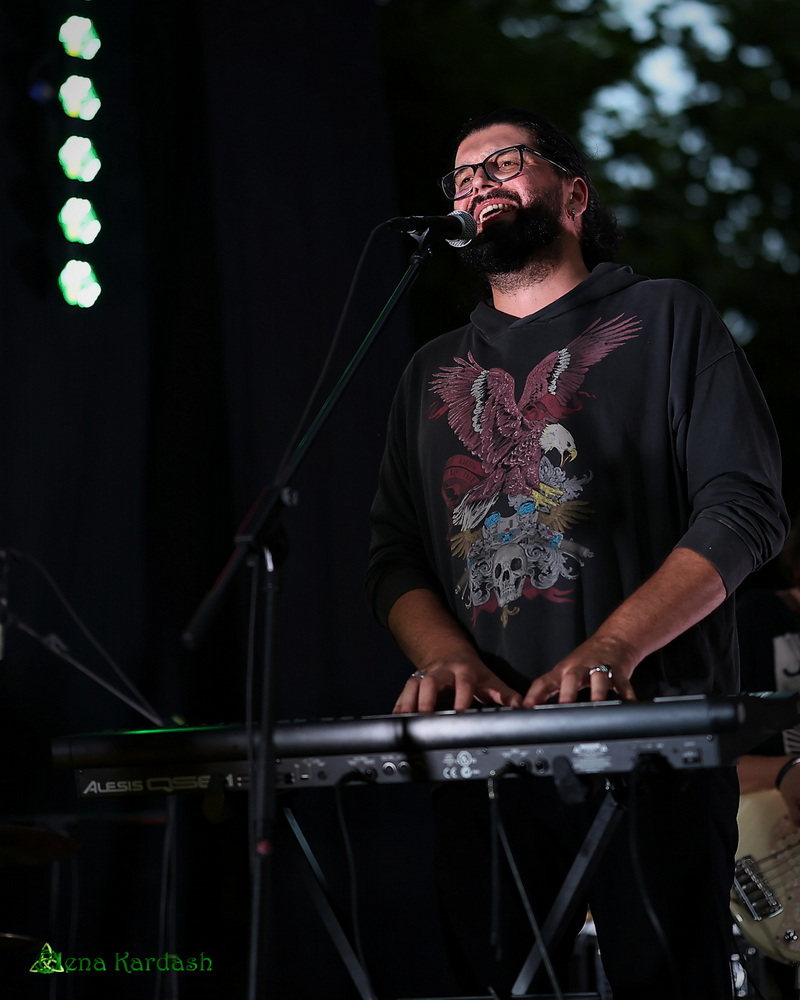
Donde mejor se reflejó la vulnerabilidad y la fortaleza de estas personalidades fue en las líneas vocales. El implacable impacto de los cambios de temperatura y los aires acondicionados de la ruta habían mermado seriamente la salud del grupo. Quentin Kovalsky, encargado en exclusiva de defender la línea de micrófonos principal y los teclados, saltó a las tablas casi sin voz, librando una batalla física y titánica en cada estrofa. Lejos de ampararse en el desgaste, el vocalista polaco suplió las limitaciones físicas a base de coraje, técnica y un oficio impecable sobre el escenario para sacar adelante el show. Mientras tanto, la retaguardia la blindaban el bajista Rafal y el batería mexicano Pancho. Campos, manteniendo un pulso contundente desde los parches, utilizó su micrófono para ejercer de puente lingüístico, presentando las canciones en castellano y metiéndose a los asistentes en el bolsillo por pura cercanía y carisma.
El desarrollo del concierto evidenció un equilibrio medido entre la faceta compositiva de la banda y el peso histórico de la herencia clásica. La noche comenzó con la solidez de “Heavenly Light”, una de las dos únicas piezas propias que la formación defendió en Sarón. Tras este inicio, el grupo se abrió de inmediato al legado familiar con la versión de “Oh, Pretty Woman”. Este corte, un blues eléctrico de estilo tradicional escrito originalmente por A.C. Williams y lanzado por el icono Albert King en 1966, cobró una nueva dimensión sobre las tablas; una pieza que el propio Gary Moore rescató e inmortalizó junto al mismísimo King en su emblemático álbum de blues de 1990, “Still Got the Blues”.
Con la misma fuerza melódica continuaron con “All Your Love” – clásico de Otis Rush que el propio Gary Moore grabó en ese mismo exitoso disco de 1990. El primer bloque de composiciones originales se cerró justo después con la rítmica y contundente “In My Shoes”, la segunda obra propia de la banda ejecutada en la velada.
Tras este tema, el punto de inclusión técnica de la noche llegó cuando el concierto se abrió a la genialidad del directo y Jack Moore demostró su maestría a las seis cuerdas ejecutando una soberbia improvisación en C. A este despliegue en solitario le siguió la improvisación individual de Quentin Kovalsky a los teclados, para concluir con una demostración rítmica y técnica de Pancho Campos en la batería. Tras estas intervenciones por separado, la formación retomó el pulso melódico rescatando una auténtica joya de coleccionista: “City of Gold”, tema perteneciente a BBM, aquel mítico e histórico supergrupo que Gary Moore montó a principios de los noventa junto a Jack Bruce y Ginger Baker. Un guiño de alta fidelidad que evidenció el profundo conocimiento y el respeto que este grupo tiene por el legado del blues-rock clásico.
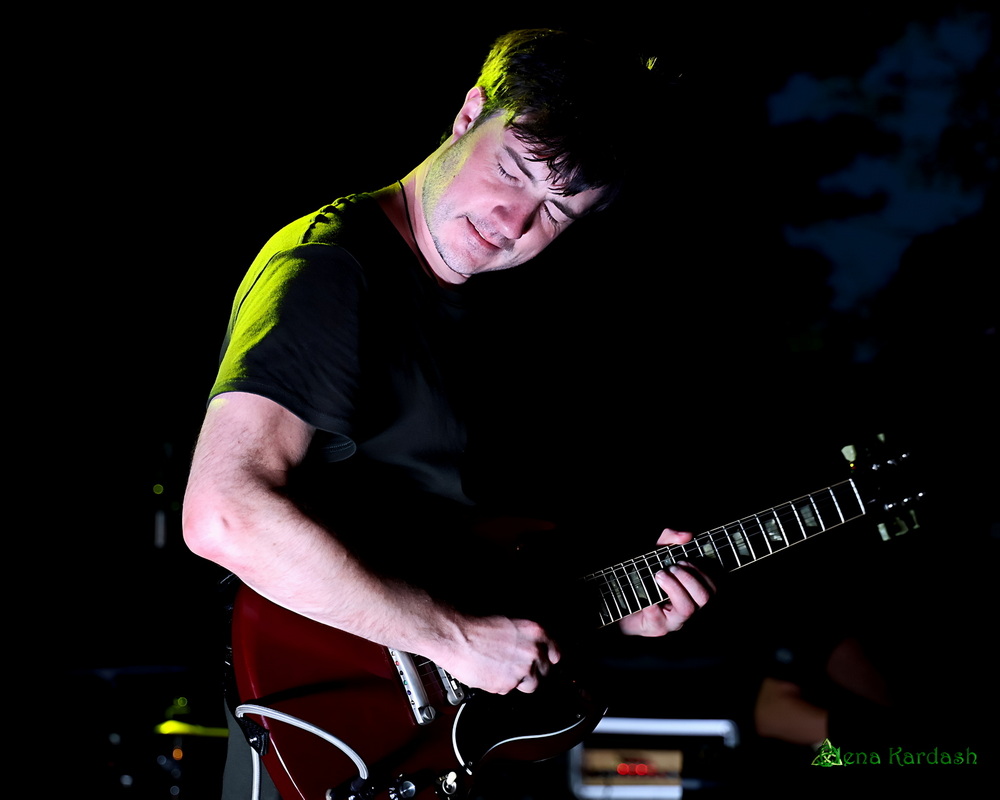
El tramo final estuvo reservado en exclusiva para la carga emocional de los clásicos inmortales de Gary Moore. Estas composiciones no son simples canciones; representan un mundo entero, la vida, los pensamientos y el alma de una leyenda, constituyendo un pilar fundamental y un ejemplo imperecedero para músicos y guitarristas de todo el planeta. La interpretación de “Midnight Blues” preparó el terreno para adentrarse en el núcleo de ese legado con “Still Got the Blues”, que culminó con un solo final de guitarra increíble, intenso y técnicamente impecable. Fue en este clímax donde quedó de manifiesto la solidez de la banda sobre las tablas. Jack Moore no busca ser una réplica de su padre; es un músico con sonido propio, experiencia y una identidad particular. Sin embargo, al abordar este legado, se percibió una entrega absoluta y diferente en su ejecución, una interpretación honesta y profunda conectada con la memoria y el respeto a la figura de una leyenda imperecedera. Las canciones no sonaron a imitación, sino a una reinterpretación contemporánea donde las composiciones cobraron vida con la personalidad del propio Jack y la fuerza colectiva de toda la formación.
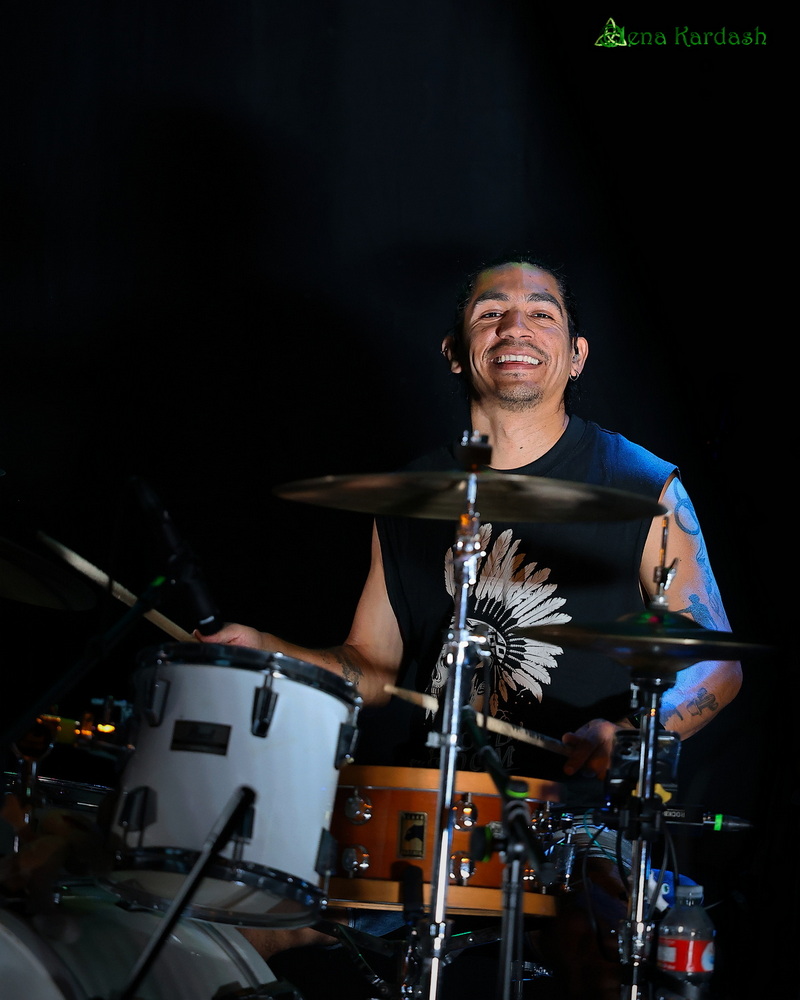
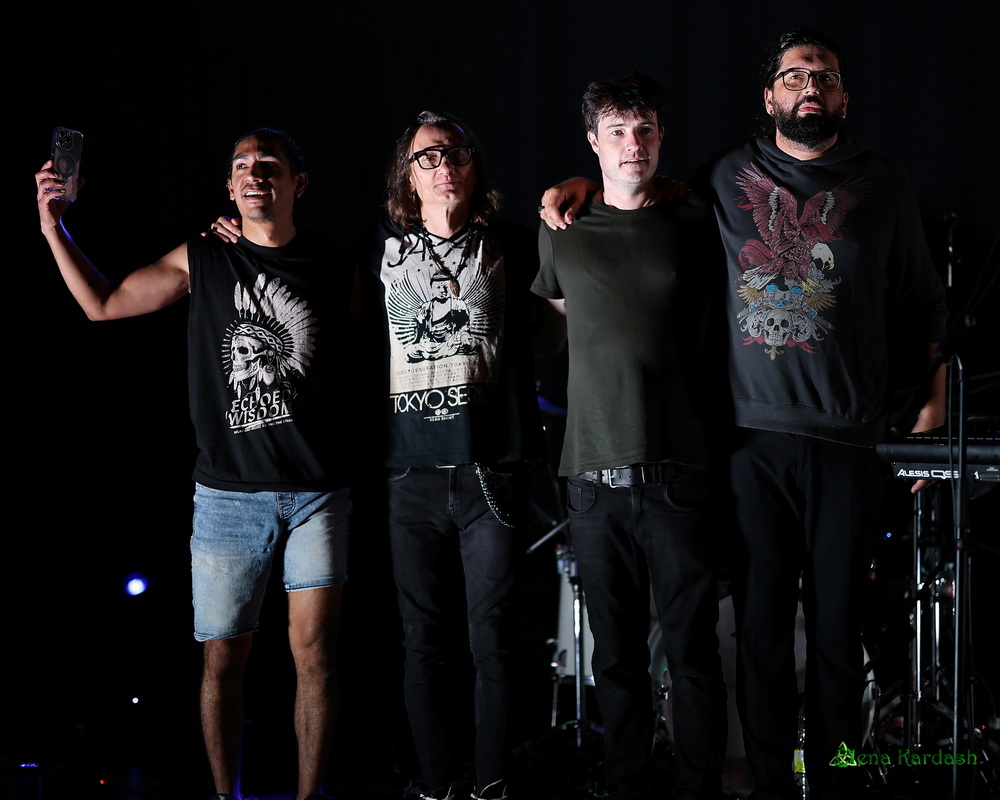
La conclusión del evento llegó con la enérgica “Walking by Myself”, pero no antes de que el batería Pancho Campos volviera a tomar el micrófono para romper el guion establecido de la gira. En un gesto de complicidad que no se había repetido en las fechas anteriores del tour, Campos invitó formalmente al público a levantarse y bailar. La respuesta de los asistentes fue inmediata, y un grupo de personas rompió la distancia con las tablas para bailar al ritmo de los últimos compases del show, cerrando una jornada marcada por la honestidad, el rigor técnico, el factor humano y la supervivencia de la música en vivo en su estado más puro.
La jornada en el Festival Nueve Valles dejó claro que el valor de un concierto no se mide por la ausencia de imprevistos, sino por la capacidad de los músicos para transformar la fatiga del viaje en pura honestidad sobre el escenario. Con un repertorio impecable y una sólida solvencia técnica, la banda no solo expuso el presente musical de Jack Moore, sino que honró el legado clásico con una identidad propia y un respeto absoluto. La respuesta del público en el Ferial de Sarón confirmó el éxito de una propuesta que busca la cercanía y la verdad del directo. Para los seguidores del blues-rock, la formación internacional ya planifica su regreso a los escenarios con una nueva gira de cara a los próximos meses, asegurando la continuidad de un proyecto con sonido propio y una solidez incuestionable en la carretera.
07/08/2026 Festival Nueve Valles, Sarón
CRÓNICA Y FOTOGRAFÍAS: ELENA KARDASH
ENGLISH VERSION / VERSIÓN EN INGLÉS
REVIEW AND PHOTOGRAPHS: ELENA KARDASH
The beginning of a concert usually follows a highly precise script, but live music always reserves space for the raw truth of the moment, especially when the physical toll of the road comes into play. The international line-up led by Jack Moore arrived in Cantabria carrying the accumulated fatigue of an intense tour – a human factor that, far from undermining the show, ultimately defined its honesty on stage. The night began at El Ferial de Sarón with the musicians taking the stage one by one. First to take his position was Mexican drummer Pancho Campos, setting the initial pulse from his drumhead, followed immediately by bassist Rafal. With the rhythmic foundation already in motion, Quentin Kovalsky positioned himself behind the keyboards and the microphone to formally introduce Jack Moore.
Moore entered the stage in a calm manner, greeting the audience and stepping into his position. However, in a direct reflection of the fatigue built up during long travels, as he turned to start the concert, he discovered an empty space: he had left his guitar packed behind the scenes. Without losing his composure, the guitarist stepped backstage for a brief moment and returned seconds later with his Gibson SG. Far from creating stiffness or tension, the reaction from both the band and the audience was a shared laughter.
This collective and relaxed response blended perfectly with the physical setting of the event. Integrated into the cultural programming of the Nueve Valles Festival, the stage was set outdoors, fully embedded within a wooded park. This natural layout of the infrastructure, sheltered by trees and green surroundings, distanced the event from the usual coldness and detachment found in macro-festivals or large indoor venues. This intimate setting gave the show a sense of close familiarity, almost like a gathering at home, allowing the proximity between the musicians and the audience to enhance the emotional connection and the resonance of every single note. In this way, the unexpected mishap became the perfect catalyst to release the pressure of the journey, humanize the concert from the very first second, and break the ice with the crowd before striking the first chord.
Once the initial anecdote was resolved, the band immediately demonstrated deep experience on on stage. The Polish-Mexican rhythmic section worked with flawless precision and tight cohesion. Quentin Kovalsky handled the keyboard dynamics with absolute competence, while bassist Rafal anchored the low-end frequencies with mathematical precision. In the back, Mexican drummer Pancho Campos deployed a powerful strike and superb technical dynamism, showcasing the solid experience accumulated by the members of this international group.
Where the vulnerability and strength of these personalities were best reflected was in the vocal lines. The relentless impact of temperature changes and road air conditioning had severely affected the group’s health. Quentin Kovalsky, solely responsible for handling the main microphone line and the keyboards, took the stage almost completely hoarse, fighting a physical and titanic battle through every verse. Far from hiding behind physical exhaustion, the Polish vocalist overcame these physical limitations with pure courage, technique, and impeccable showmanship to carry the performance forward. Meanwhile, the rearguard was secured by bassist Rafal and drummer Pancho. Campos, maintaining a solid drive from his kit, used his microphone to act as a linguistic bridge, presenting the songs in Spanish and winning over the audience through pure proximity and charisma.
The concert’s development showed a measured balance between the band’s own songwriting and the historical weight of classic heritage. The night began with the solidity of “Heavenly Light”, one of the only two original pieces the band performed in Sarón. Immediately following this opening, the group opened up to the family legacy with the rendering of “Oh, Pretty Woman”. This track, a traditional-style electric blues tune originally written by A.C. Williams and released by blues icon Albert King in 1966, held a deep historical weight on stage – a piece Gary Moore famously revived alongside King himself for his iconic 1990 blues album, “Still Got the Blues”.
Driven by the same traditional roots, they followed with “All Your Love” – an Otis Rush classic featured on that very same definitive 1990 record. The first block of original tracks was anchored right after with the rhythmic drive of “In My Shoes”, the second original piece delivered by the band during the evening.
Following this track, the technical turning point of the night arrived as the concert opened up to the genius of live performance and Jack Moore demonstrated his mastery on the six strings by executing a superb improvisation in C. This solo display was followed by Quentin Kovalsky‘s individual improvisation on keyboards, concluding with a rhythmic and technical showcase by Pancho Campos on drums. Following these separate interventions, the band resumed the melodic pulse by unearthing a true collector’s gem: “City of Gold”, a track by BBM – the legendary and short-lived supergroup that the late Gary Moore formed in the early nineties alongside Jack Bruce and Ginger Baker. A high-fidelity nod that evidenced the deep knowledge and respect this group holds for the legacy of classic blues-rock.
The final segment was exclusively reserved for the emotional weight of Gary Moore‘s immortal classics. These compositions are not merely songs; they represent an entire world, the life, the thoughts, and the very soul of a legend, serving as a definitive cornerstone and an everlasting blueprint for musicians and guitarists worldwide. The performance of “Midnight Blues” paved the way to enter the core of this legacy with “Still Got the Blues”, culminating in an incredible, intense, and technically flawless final guitar solo. It was at this peak moment that the band’s absolute solidity on stage became fully apparent. Jack Moore does not seek to be a replica of his father; he is a musician with his own sound, experience, and unique identity. However, when tackling this legacy, a deep and distinct level of surrender was perceived in his execution – an honest and profound interpretation connected to memory and respect for an everlasting legend. The songs did not sound like an imitation, but rather like a contemporary reinterpretation where the compositions came alive through Jack‘s own personality and the collective strength of the entire band.
The conclusion of the event came with the energetic “Walking by Myself”, but not before drummer Pancho Campos took the microphone once more to break the tour’s established script. In a gesture of complicity that had not been repeated in previous dates of the tour, Campos formally invited the audience to stand up and dance. The crowd’s response was immediate, and a group of people broke the distance to the stage to dance along to the final bars of the show, closing a day defined by honesty, technical mastery, the human factor, and the survival of live music in its purest form.
The night at the Nueve Valles Festival made it clear that the true value of a concert is not measured by the absence of mishaps, but by the musicians’ ability to transform tour fatigue into pure honesty on stage. With a flawless setlist and solid technical proficiency, the band not only showcased Jack Moore‘s current musical path but also honored a classic legacy with their own unique identity and absolute respect. The crowd’s response at El Ferial de Sarón confirmed the success of a performance rooted in proximity and the raw truth of live music. For blues-rock followers, this international line-up is already planning its return to the stage with a new tour in the coming months, ensuring the continuity of a project with its own distinct sound and an unquestionable solidity on the road.
Entradas relacionadas
Lo siento, debes estar conectado para publicar un comentario.