
La jornada inaugural del jueves en el Zurbarán Rock arrancó bajo un sol de justicia y un calor asfixiante que caía como plomo sobre el foso de Burgos. El recinto presentaba aún esa tímida entrada de las primeras horas, pero el ambiente se encendió de golpe cuando la Asociación Metal Castellae abrió los actos oficiales, dando paso al emotivo estreno de “Burgos: Metal & Tradición“. La imponente adaptación del himno local puso los pelos de punta a los valientes que ya desafiaban al termómetro.
ROCKERIZOS
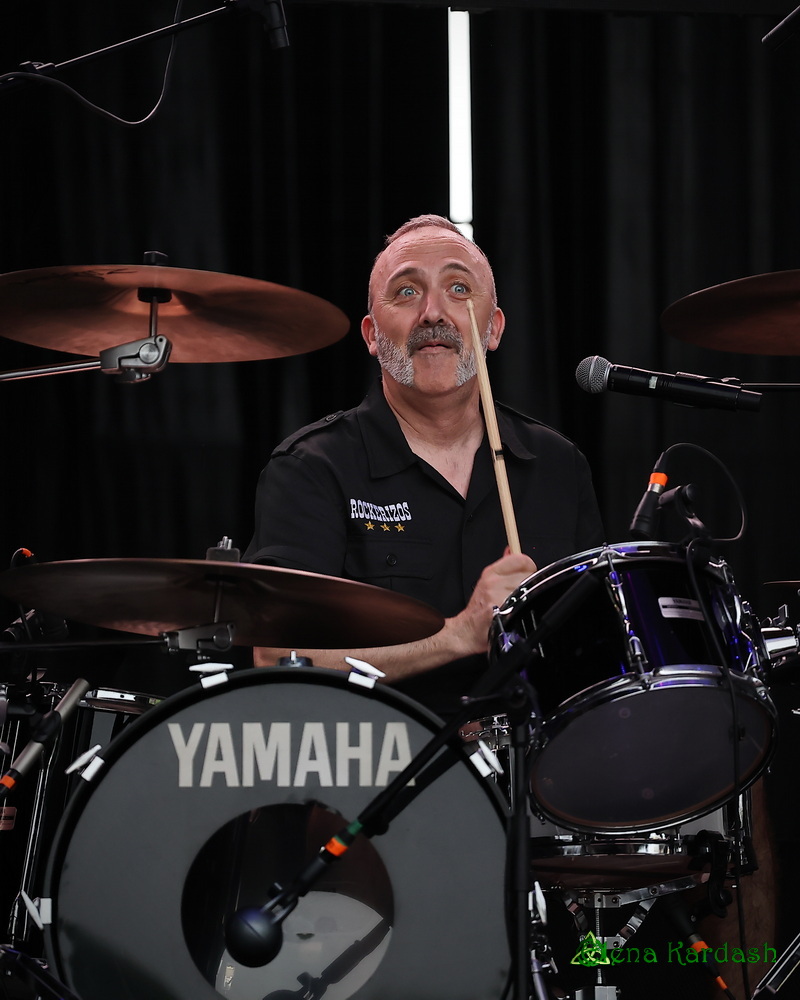
El honor de estrenar el escenario Diario de Burgos recayó en los locales Rockerizos. A pesar de las altas temperaturas y de que el recinto aún no lucía el lleno de los días posteriores, la banda jugó en casa arropada por un núcleo durísimo de fieles ataviados con camisetas oficiales que coreaban al milímetro cada una de sus canciones, lanzando constantes gritos de apoyo que el grupo devolvió con creces. El quinteto formado por Rafa, Javi, Jorge, Hammer y Félix al bajo, ofreció una actuación notable y rebosante de actitud urbana.
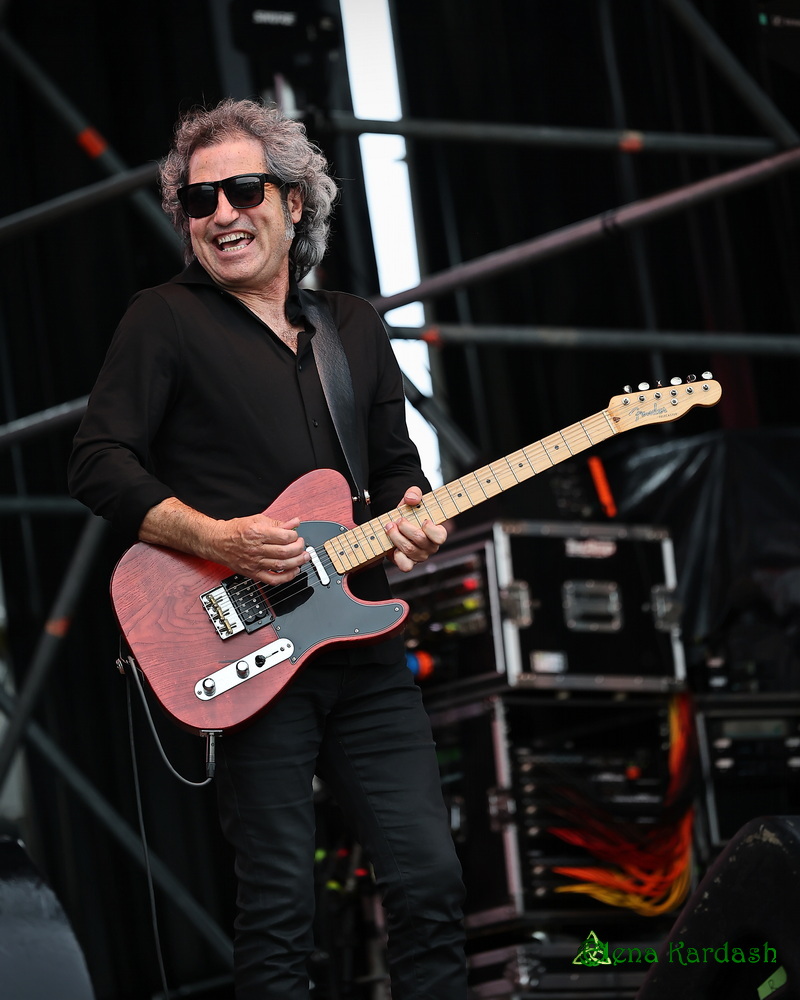
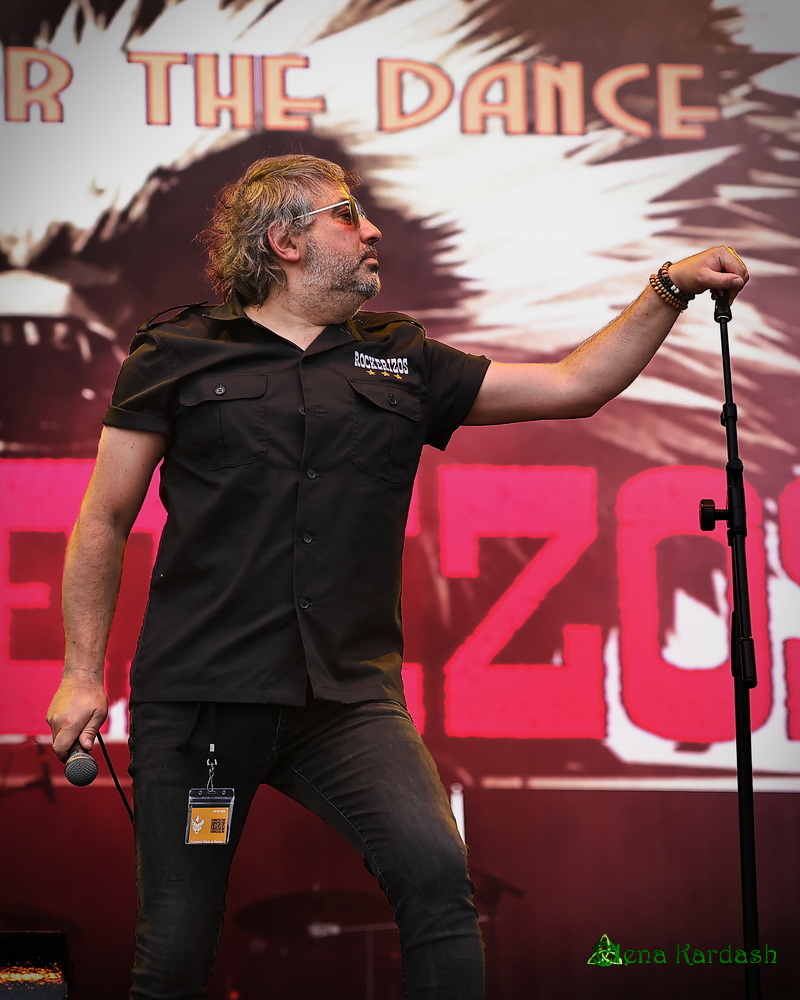
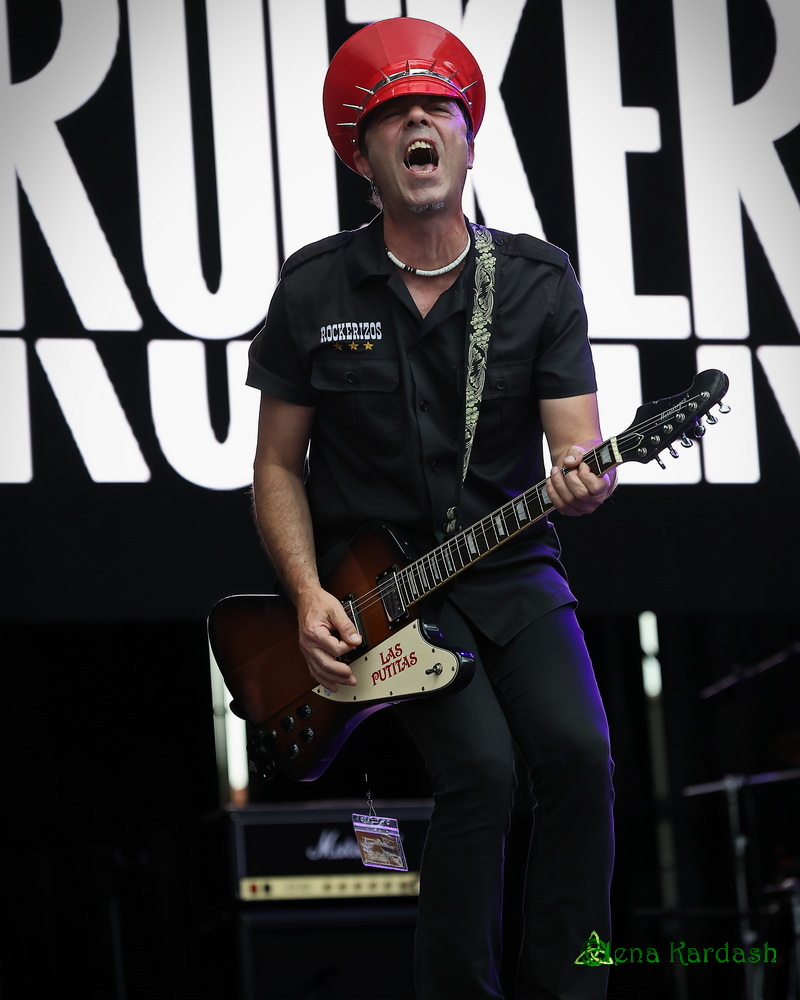
La descarga musical estuvo centrada en su gran mayoría en desgranar el repertorio de su álbum Demasiado tarde para el perdón, consolidando la presentación oficial del disco mediante un sólido dinamismo sobre las tablas. Composiciones directas de su catálogo como “En vano“, “Besos siniestros” o “Al filo” sonaron compactas y estables. En el plano escénico, el vocalista ejerció una conducción enérgica del directo, recorriendo la totalidad del escenario de forma constante y empleando una amplia variedad de recursos expresivos que conectaron de inmediato con las primeras filas. Por su parte, el guitarrista mantuvo un intenso despliegue físico, saltando de manera continuada y enfatizando la contundencia de los amplificadores.
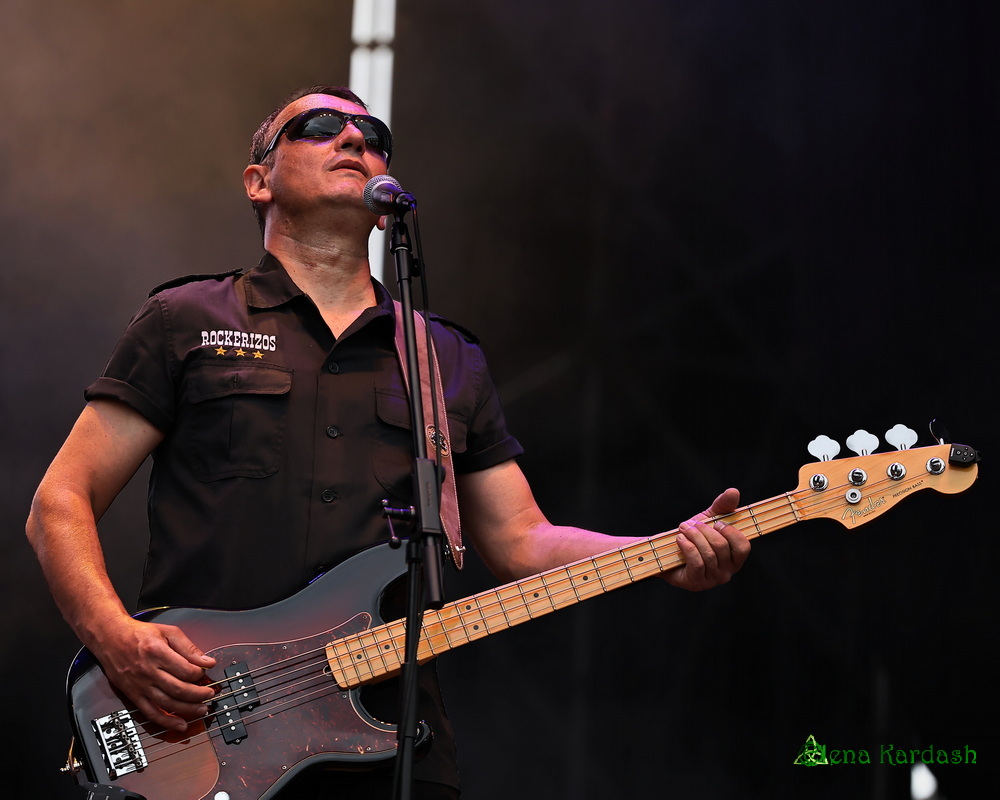
Con esta solvente apertura, Rockerizos ratificó que inaugurar el festival de su ciudad natal no solo representaba un reconocimiento a su trayectoria, sino el impulso definitivo para consolidar su posición dentro del circuito de rock urbano local.
ULI JON ROTH
El Zurbarán Rock sufrió una mutación absoluta con la caída de la tarde del jueves. El calor asfixiante de las primeras horas dio paso a una marea humana monumental que desbordó por completo el recinto, registrando una asistencia masiva, inusual y muy destacada para la jornada inaugural de un jueves. Burgos era plenamente consciente de estar ante una leyenda viva: Uli Jon Roth, el arquitecto supremo que en los años 70 definió la era dorada de Scorpions con álbumes de culto como In Trance o Virgin Killer, y el pionero indiscutible que unió el espíritu salvaje de Jimi Hendrix con la sofisticación de la música clásica europea. Entre el público congregado en el foso se encontraban músicos destacados de la escena del norte, como Carlos Escudero y Pedro J. Monge (Vhäldemar), este último acompañado por su hija, en una muestra de respeto y transmisión de herencia rockera hacia el guitarrista alemán.
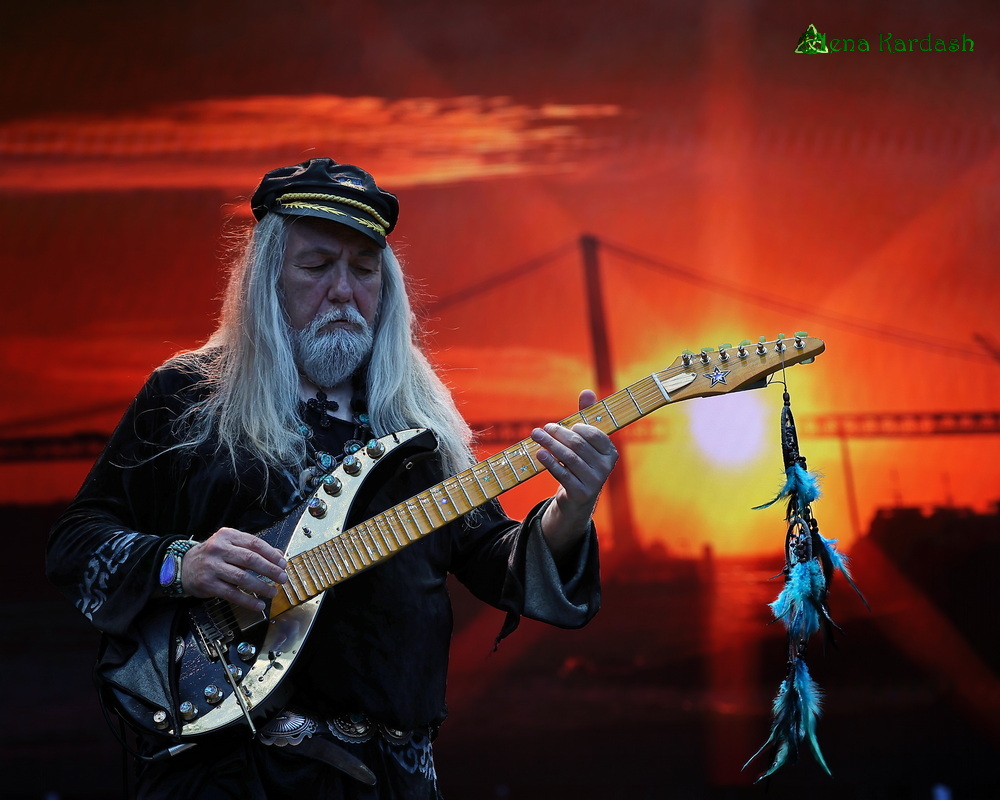
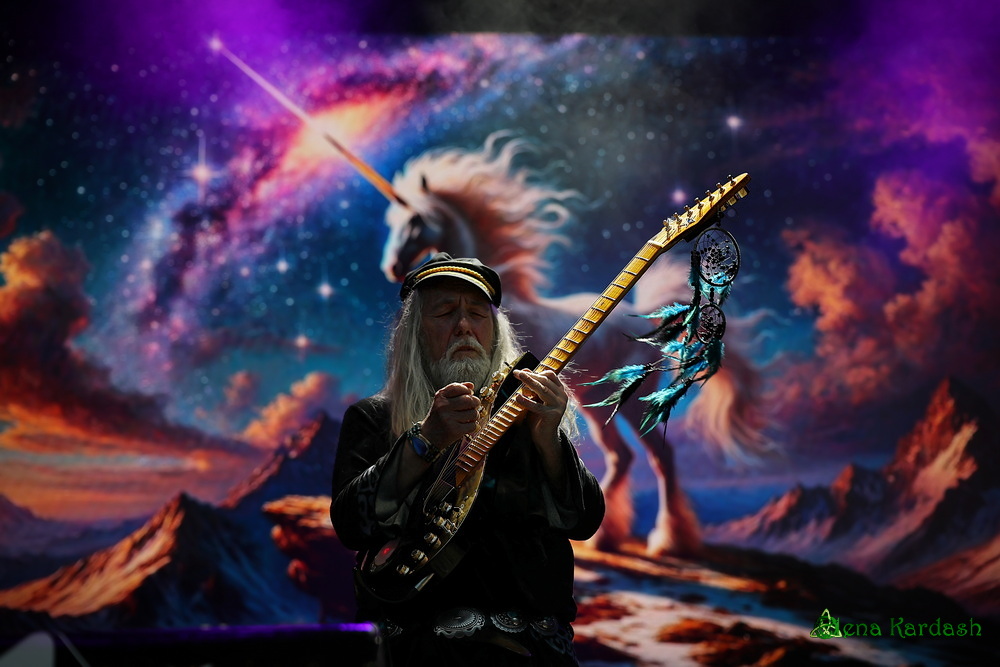
El viaje no estalló en los amplificadores; brotó del alma en un silencio que petrificó a la masa. Las pantallas devoraron las miradas con una odisea cósmica audiovisual: un viaje interestelar repleto de imágenes de naves espaciales surcando el infinito, planetas lejanos y secuencias de la naturaleza que hipnotizaron al público. Mientras el foso se disolvía en ese cosmos digital, Uli Jon Roth aguardaba en un lateral del escenario en silencio, observando discretamente al público antes de emitir la primera nota. En sus manos sostenía su exclusiva guitarra de siete cuerdas llamada “Sky Guitar”, diseñada por él mismo para romper los límites físicos del mástil convencional con su diapasón escalopado de más de 30 trastes. Verlo allí plantado en la sombra, devorando la expectación de los fieles congregados antes de arrancar un solo sonido contra el fondo de la pantalla, fue el instante más emocionante de todo el festival.
Cuando sus dedos rozaron las cuerdas, la atmósfera cambió por completo. Uli no ofreció un concierto estándar: la forma en que presentaba individualmente cada una de sus piezas recordaba de inmediato a un maestro de la vieja escuela impartiendo una clase magistral definitiva de cómo hay que tocar la guitarra. Cada introducción abría las puertas a una obra de arte tridimensional, un ecosistema sonoro que parecía venido de otro planeta. La tranquilidad absoluta en su cara y la maestría de sus movimientos convertían las tablas en una cátedra sagrada. Mirar los rostros de las primeras filas era presenciar el colapso de la incredulidad; la gente simplemente no podía creer lo que estaba viendo y escuchando. Sobre el diapasón, cada movimiento de sus dedos fue de una suavidad celestial, de una precisión quirúrgica, un fluir impecable y sin un solo fallo. La sospecha se volvió certeza colectiva en Burgos: ese vídeo de la nave espacial era una sutil ironía; el maestro nos estaba mostrando su verdadero hogar.
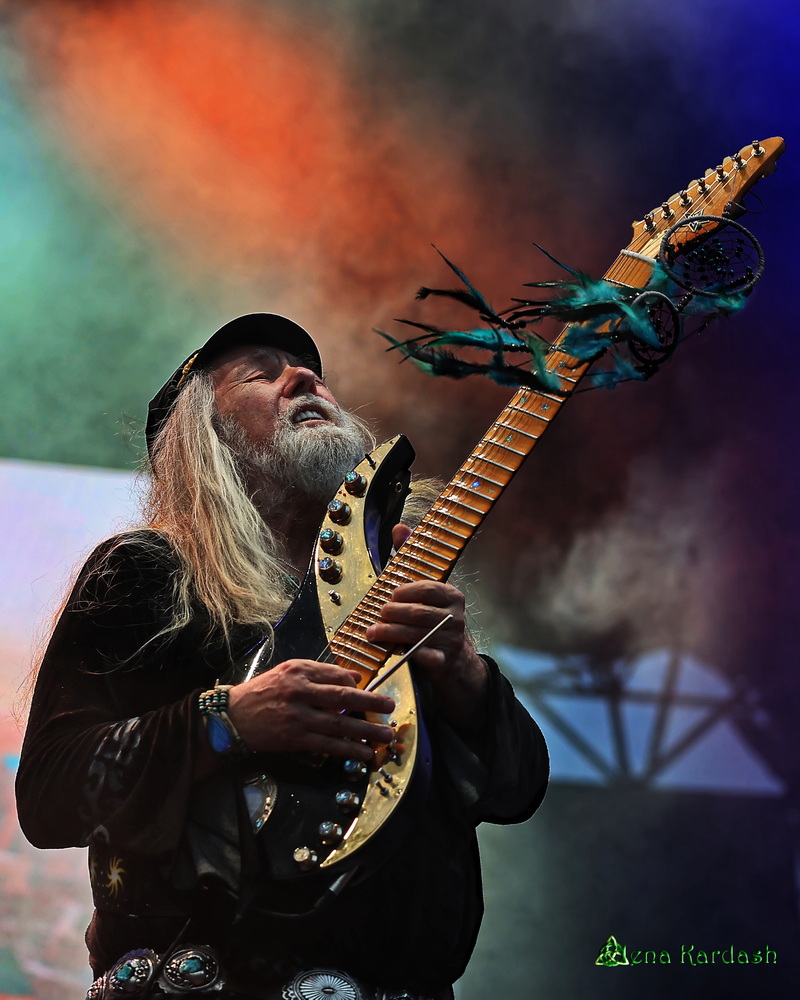
El repertorio se desplegó como un monumento imponente al virtuosismo. El asalto musical estalló con la majestuosidad imperial de “Amadeus” y la endiablada velocidad de “Rondo Alla Turca“, donde la rapidez de su mano izquierda desafió las leyes de la física, fundiéndose de inmediato con la grandiosidad operística de “Queen of the Night“. La profundidad emocional se tornó un lamento desgarrador durante “The Cry“, una pieza que arañó las entrañas del foso.
Fue justo al abordar la imponente y gélida complejidad de “Vivaldi’s Four Seasons: IV. The Winter” cuando la mística de la velada alcanzó una sincronía climatológica brutal. El propio maestro disparó desde su portátil las pistas de fondo de la pieza, y en el instante exacto en el que sonaba el efecto de un trueno en el sample mientras Uli ejecutaba la guitarra, la naturaleza respondió en sincronía real: se levantó un viento sutil sobre el festival y comenzó a chispear una fina lluvia. Como si las siete cuerdas invocaran el invierno de verdad, la sofocante temperatura de Burgos se desplomó de golpe, regalando un respiro providencial a los asistentes. Su música celestial no solo traía la alegría más pura a nuestros corazones, sino un auténtico alivio climático a toda la ciudad de Burgos.
La comunión alcanzó su punto más íntimo tras la tregua del clima en “Spirit of the heart”, un interludio donde Uli Jon Roth mostró al público sus propias pinturas al óleo de temática alegórica, nacidas de la inspiración de su obra filosófica “In Search of the Alpha Law“, exponiendo su proceso creativo. Con el ambiente refrescado y el foso en pleno trance, la tralla histórica desató la locura colectiva con los riffs inmortales de su etapa en Scorpions como “The Sails of Charon” y la fuerza melódica de “Sun in my hand“, abriendo camino a un tramo definitivo de infarto con la velocidad de “Catch Your Train” y esa inmortal, libre y humeante relectura del “All Along The Watchtower” de Jimi Hendrix. El público despidió al guitarrista alemán con un aplauso unánime, cerrando la presentación de mayor relevancia técnica de la jornada.
SECRET SPHERE
El cierre de la jornada inaugural del jueves en Burgos suponía un momento de gran expectación, ya que la formación regresaba a los escenarios tras un receso de diez meses motivado por las complicaciones en las cuerdas vocales de su vocalista histórico, Roberto “Ramon” Messina, quien se reincorporó al grupo para defender su legado clásico.
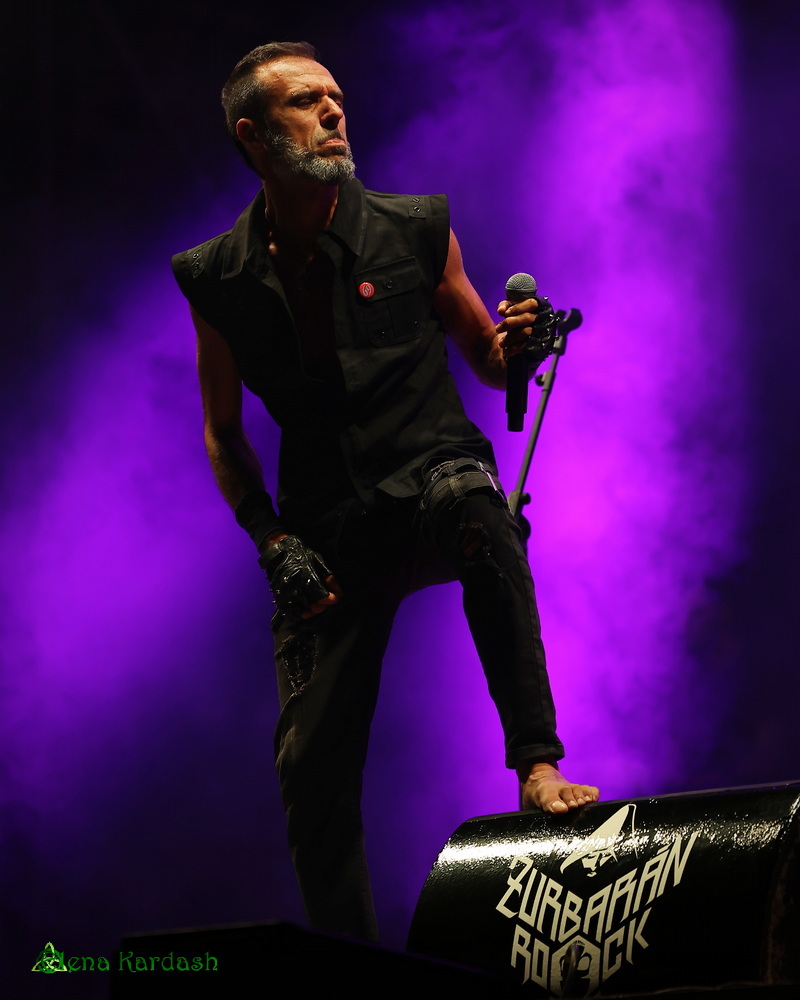
La trayectoria de Secret Sphere se remonta a julio de 1997, fecha en la que el guitarrista Aldo Lonobile fundó la agrupación en la ciudad italiana de Alessandria. Desde sus inicios, la banda se consolidó como uno de los pilares del Power Metal sinfónico y el metal progresivo en su país, construyendo una sólida reputación internacional a través de trabajos de culto como A Time Nevercome (2001) y firmando bajo el sello europeo Frontiers Music.
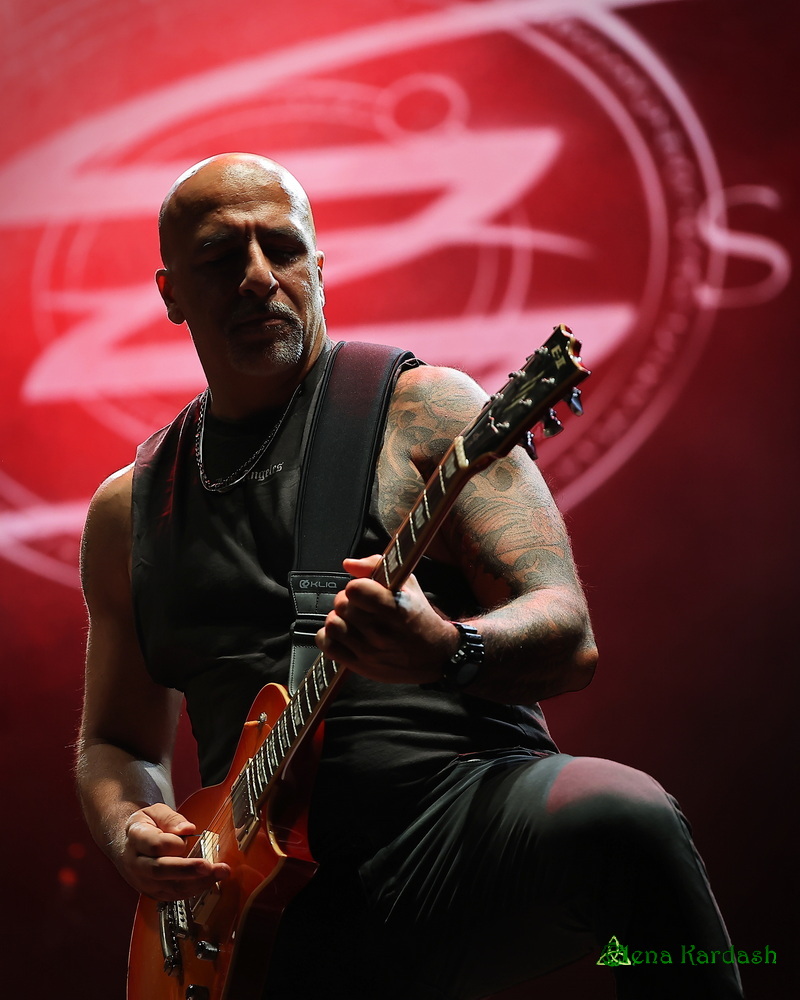
Lejos de mostrar secuelas por la inactividad, la banda ejecutó un repertorio de Power Metal sinfónico melódico y de alta precisión técnica. Su propuesta sonora, caracterizada por la velocidad rítmica y los estribillos coreables, sonó compacta y nítida en todo momento, conectando de forma directa con un público que se mostró entregado y disfrutando visiblemente de la actuación. Los momentos álgidos de la noche llegaron cuando la formación rescató de su catálogo clásico el directo de “Loud & Raw“, desató la fuerza melódica de “Lifeblood” y recuperó de su segundo álbum el histórico “Legend“, provocando una gran ovación en las primeras filas. Roberto Messina ejerció un sólido liderazgo en el escenario, interactuando constantemente con los asistentes e intentando comunicarse en español, un esfuerzo muy valorado que se tradujo en constantes muestras de apoyo entre canción y canción.
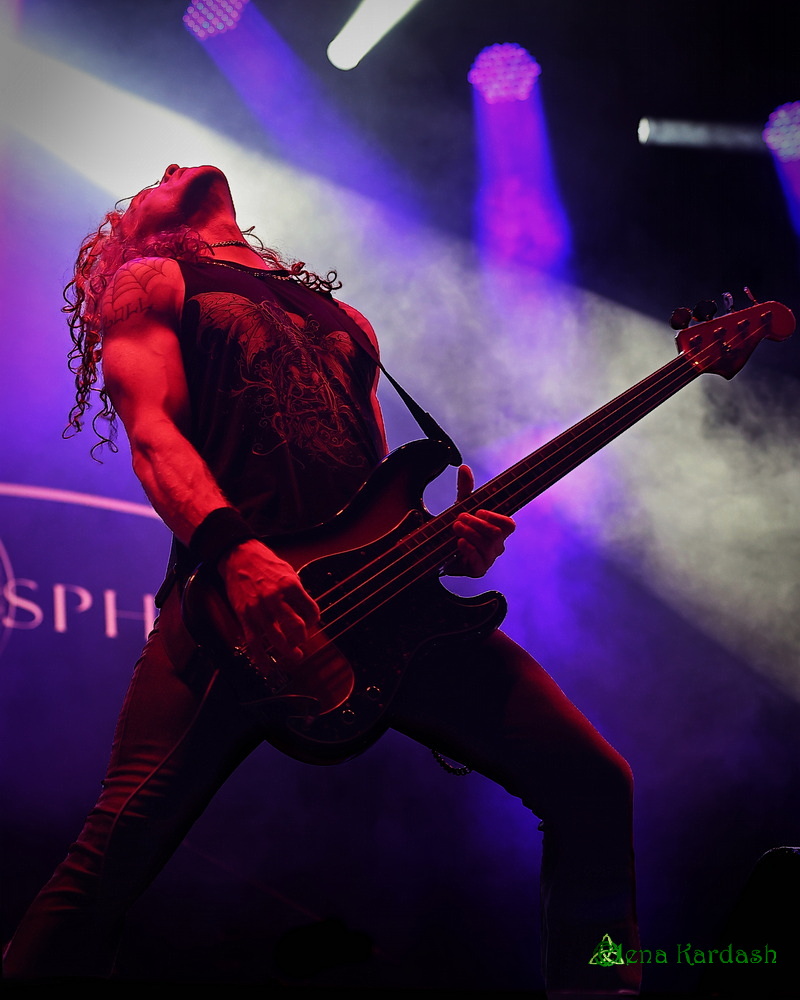
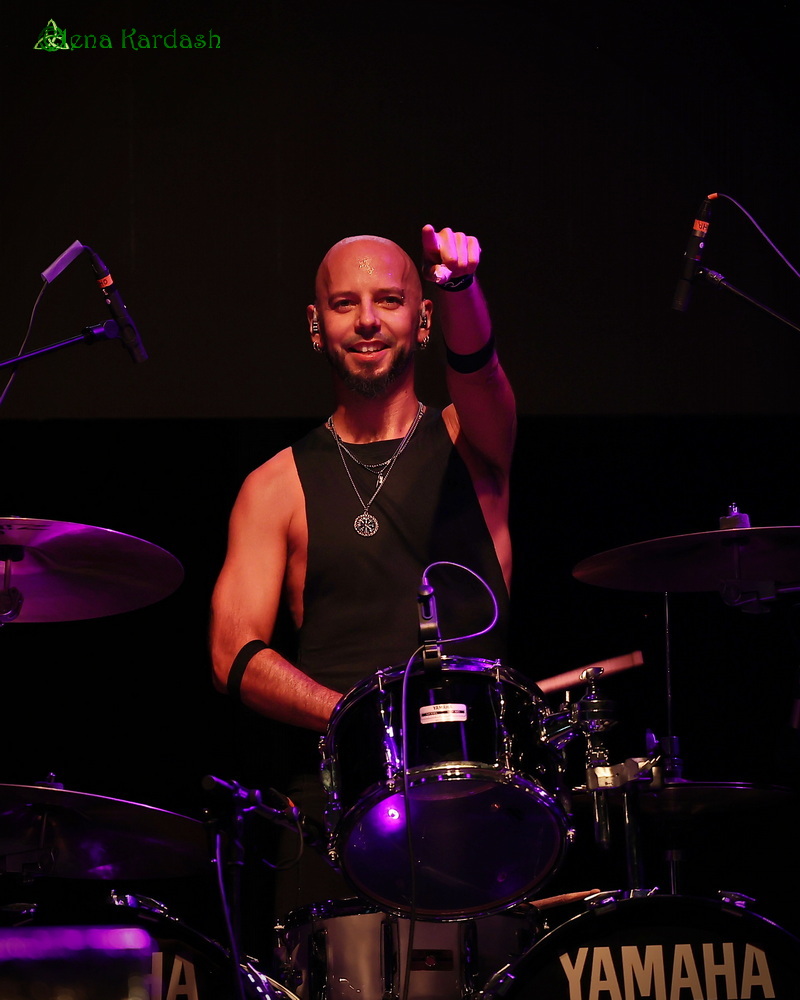
Sobre las tablas, la banda desplegó un dinamismo visual constante, destacando de manera especial el trabajo escénico, la movilidad y el control del espacio de su bajista, Andrea Buratto. Tras él, la base rítmica se mantuvo sólida gracias a la demoledora pegada en la batería de Marco Lazzarini, quien maneja los mandos de los parches de forma inamovible en la formación desde su incorporación oficial en 2013, imprimiendo una potencia y una velocidad endiabladas a la ejecución de cada uno de los temas.
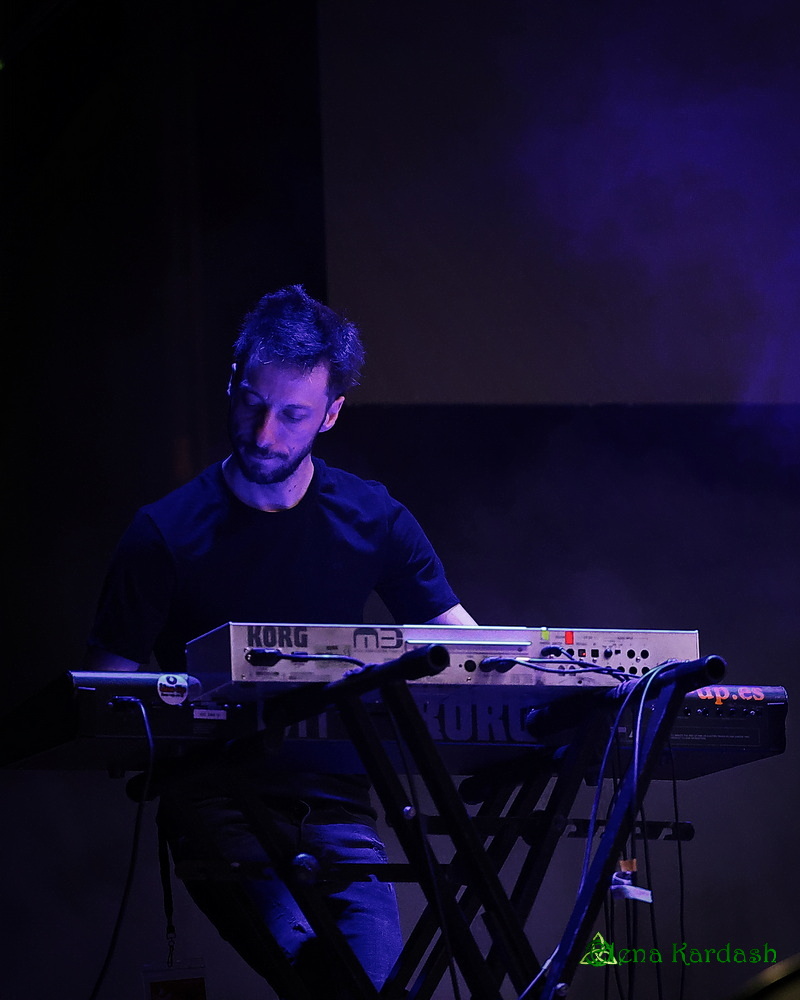
Las líneas melódicas y los riffs principales eran liderados por el propio Aldo Lonobile, mientras que el clímax de complicidad y actitud escénica de la noche se vivió precisamente durante la interpretación de ‘Loud & Raw’: en un momento determinado de la canción, el teclista Gabriele Ciaccia abandonó su puesto técnico para acercarse al lateral de la batería de su lado y comenzó a golpear los platos directamente con sus manos, un gesto de pura energía de directo coordinado a la perfección mientras el batería Marco Lazzarini sostenía el ritmo sin pestañear. La actuación concluyó ante un público que despidió con respeto y entusiasmo la entrega de la formación italiana, cerrando por todo lo alto el primer asalto del festival.
Con la descarga de la formación italiana concluyó de forma oficial la primera jornada del Zurbarán Rock, configurada íntegramente como el concierto conmemorativo con motivo del 135 aniversario de la fundación de Diario de Burgos (1891-2026). La inauguración del escenario bautizado con el nombre del histórico rotativo burgalés saldó su primera jornada confirmando la solvencia logística del festival y registrando un notable respaldo de asistencia desde las primeras horas de la tarde. El estreno institucional del himno local, el dinamismo urbano de Rockerizos, la impecable precisión técnica de Uli Jon Roth y la solvencia en directo de Secret Sphere articularon una jornada inaugural de alto calado cultural, consolidando el arranque de la edición de 2026 por la puerta grande.
09/07/2026 Zurbarán Rock, Burgos
CRÓNICA Y FOTOGRAFÍAS: ELENA KARDASH
ENGLISH VERSION / VERSIÓN EN INGLÉS
REVIEW AND PHOTOGRAPHS: ELENA KARDASH
The opening day of Zurbarán Rock on Thursday kicked off under a blazing sun and a stifling heat that fell like lead over the Burgos pit. The venue still showed the sparse attendance typical of the early hours, but the atmosphere instantly ignited when the Metal Castellae Association opened the official events, giving way to the emotional premiere of “Burgos: Metal & Tradición”. The powerful adaptation of the local anthem sent chills down the spines of the brave attendees who were already defying the thermometer.
ROCKERIZOS
The honor of debuting on the Diario de Burgos stage went to local act Rockerizos. Despite the high temperatures and the fact that the venue was not yet packed like the following days, the band played a home game, backed by a die-hard core of loyal fans in official t-shirts who sang along to every single song word-for-word, shouting constant words of support that the group fully reciprocated. The quintet, composed of Rafa, Javi, Jorge, Hammer, and Félix on bass, delivered a remarkable performance bursting with street attitude.
The musical set was mainly focused on showcasing the repertoire of their album Demasiado tarde para el perdón, cementing the official presentation of the record through solid dynamism on stage. Straightforward compositions from their catalog such as “En vano”, “Besos siniestros”, or “Al filo” sounded compact and tight. On the performance level, the frontman provided energetic leadership throughout the live show, constantly traversing the entire stage and employing a wide variety of expressive resources that immediately connected with the front rows. For his part, the guitarist maintained an intense physical display, jumping continuously and emphasizing the punch of the amplifiers. With this solid opening, Rockerizos proved that inaugurating the festival in their hometown represented not only a recognition of their career, but also the definitive breakthrough to consolidate their position within the local urban rock circuit.
ULI JON ROTH
Zurbarán Rock underwent a complete mutation as Thursday evening fell. The stifling heat of the early hours gave way to a monumental human tide that completely packed the venue, recording a massive, unusual, and highly prominent attendance for a Thursday opening day. Burgos was fully aware of standing before a living legend: Uli Jon Roth, the supreme architect who in the 1970s defined the golden era of Scorpions with cult albums such as In Trance or Virgin Killer, and the undisputed pioneer who bridged the wild spirit of Jimi Hendrix with the sophistication of European classical music. Among the crowd gathered in the pit were prominent musicians from the northern scene, such as Carlos Escudero and Pedro J. Monge (Vhäldemar), who was accompanied by his daughter, in a display of respect and transmission of rock heritage toward the German guitarist.
The journey did not explode in the amplifiers; it welled from the soul in a silence that transfixed the crowd. The screens captured all eyes with an audiovisual cosmic odyssey: an interstellar voyage filled with images of spaceships traversing the infinite, distant planets, and nature sequences that hypnotized the audience. While the pit dissolved into this digital cosmos, Uli Jon Roth waited silently at the side of the stage, discreetly observing the crowd before striking the first note. In his hands, he held his exclusive seven-string guitar called the “Sky Guitar,” designed by himself to break the physical boundaries of the conventional fretboard with its scalloped neck of over 30 frets. Seeing him standing there in the shadows, taking in the anticipation of the gathered faithful before coaxing a single sound against the screen’s backdrop, was the most thrilling moment of the entire festival.
When his fingers brushed the strings, the atmosphere changed completely. Uli did not deliver a standard concert: the way he individually presented each of his pieces immediately recalled an old-school master delivering a definitive masterclass on how the guitar should be played. Each introduction opened the doors to a three-dimensional work of art, a sonic ecosystem that seemed to come from another planet. The absolute tranquility on his face and the mastery of his movements turned the stage into a sacred lecture hall. Looking at the faces in the front rows meant witnessing the collapse of disbelief; people simply could not credit what their eyes were seeing and their ears were processing. Across the fretboard, every movement of his fingers possessed a celestial smoothness, a surgical precision, an impeccable and flawless flow. Suspicion became collective certainty in Burgos: that spaceship video was a subtle irony; the master was showing us his true home.
The repertoire unfolded as an imposing monument to virtuosity. The musical onslaught erupted with the imperial majesty of “Amadeus” and the devilish speed of “Rondo Alla Turca,” where the swiftness of his left hand defied the laws of physics, instantly merging with the operatic grandiosity of “Queen of the Night.” The emotional depth turned into a harrowing lament during “The Cry,” a piece that gripped the very core of the pit.
It was precisely when tackling the imposing and freezing complexity of “Vivaldi’s Four Seasons: IV. The Winter” that the evening’s mystique achieved a striking weather synchronization. The master himself triggered the backing tracks of the piece from his laptop, and at the exact instant the thunder effect sounded in the sample while Uli executed the guitar, nature responded in real-time synchronization: a subtle wind rose over the festival and a fine rain began to drizzle. As if the seven strings were truly invoking winter, Burgos’s stifling temperature plummeted suddenly, giving a providential respite to the attendees. His celestial music brought not only the purest joy to our hearts, but a genuine weather relief to the entire city of Burgos.
The communion reached its most intimate point after the weather’s truce in “Spirit of the heart“, an interlude during which Uli Jon Roth showed the audience his own allegorical oil paintings deeply inspired by his philosophical book “In Search of the Alpha Law“, exposing his creative process. With the atmosphere refreshed and the pit in full trance, the historical onslaught unleashed collective madness with the immortal riffs from his Scorpions era such as “The Sails of Charon” and the melodic power of “Sun in my hand“, paving the way for a breathtaking final stretch with the speed of “Catch Your Train” and that immortal, free, and blistering rendition of Jimi Hendrix’s “All Along The Watchtower“. The audience dismissed the German guitarist with applause, closing the most technically relevant performance of the day.
SECRET SPHERE
The closure of Thursday’s opening day in Burgos brought a moment of high anticipation, as the band returned to the stage after a ten-month recess caused by vocal cord complications suffered by their historic vocalist, Roberto “Ramon” Messina, who rejoined the group to defend his classic legacy.
Secret Sphere’s career dates back to July 1997, when guitarist Aldo Lonobile founded the band in the Italian city of Alessandria. From its inception, the band established itself as one of the pillars of symphonic Power Metal and progressive metal in their country, building a solid international reputation through cult records such as A Time Nevercome (2001) and signing with the European label Frontiers Music.
Far from showing any signs of inactivity, the band delivered a repertoire of melodic symphonic Power Metal executed with high technical precision. Their sonic delivery, characterized by driving rhythmic speed and sing-along choruses, sounded compact and sharp throughout, connecting directly with an audience that proved fully engaged and visibly enjoyed the performance. The high points of the night came when the band unearthed the live classic “Loud & Raw” from their catalog, unleashed the melodic power of “Lifeblood”, and recovered the historic track “Legend” from their second album, triggering a massive ovation in the front rows. Roberto Messina exercised solid leadership on stage, constantly interacting with the attendees and making an effort to communicate in Spanish, a highly valued gesture that translated into steady displays of support between songs.
On the stage, the band displayed continuous visual dynamism, highlighting in particular the performance, mobility, and spatial control of their bassist, Andrea Buratto. Behind him, the rhythmic backbone remained solid thanks to the devastating performance of Marco Lazzarini on drums, who has consistently held the command of the drum kit since his official induction into the lineup in 2013, imprinting ferocious power and speed onto the execution of each track.
The melodic lines and main riffs were spearheaded by Aldo Lonobile himself, while the pinnacle of onstage complicity and attitude occurred precisely during the performance of “Loud & Raw”: at a certain point in the song, keyboardist Gabriele Ciaccia left his technical station to approach the side of the drum kit next to him and began striking the cymbals directly with his bare hands, a raw display of live energy perfectly synchronized while drummer Marco Lazzarini maintained the beat without missing a stroke. The performance concluded before an audience that dismissed the Italian lineup’s dedication with respect and enthusiasm, successfully launching the festival’s first round.
The performance of the Italian lineup officially concluded the opening day of Zurbarán Rock, which was fully designated as the commemorative concert celebrating the 135th anniversary of the founding of Diario de Burgos (1891-2026). The inauguration of the stage named after the historic local newspaper completed its first session by confirming the festival’s logistic efficiency and drawing a prominent turnout from the early hours of the evening. The institutional premiere of the local anthem, the urban dynamism of Rockerizos, the flawless technical precision of Uli Jon Roth, and the live mastery of Secret Sphere provided an opening day of significant cultural impact, successfully launching the 2026 edition on a high note.
Entradas relacionadas

Lo siento, debes estar conectado para publicar un comentario.